The Role of Materials in Structural Strength
Concrete plays a vital role in the foundation of many structures, providing the necessary strength and durability needed for long-term stability. Structures like bridges, skyscrapers, and homes rely on concrete due to its ability to withstand heavy loads and harsh weather conditions. Concrete’s composition includes aggregates, cement, and water, which together create a strong bond upon drying. This unique mix is what makes concrete an ideal choice for supporting structural integrity.
The Importance of Proper Mixing Techniques
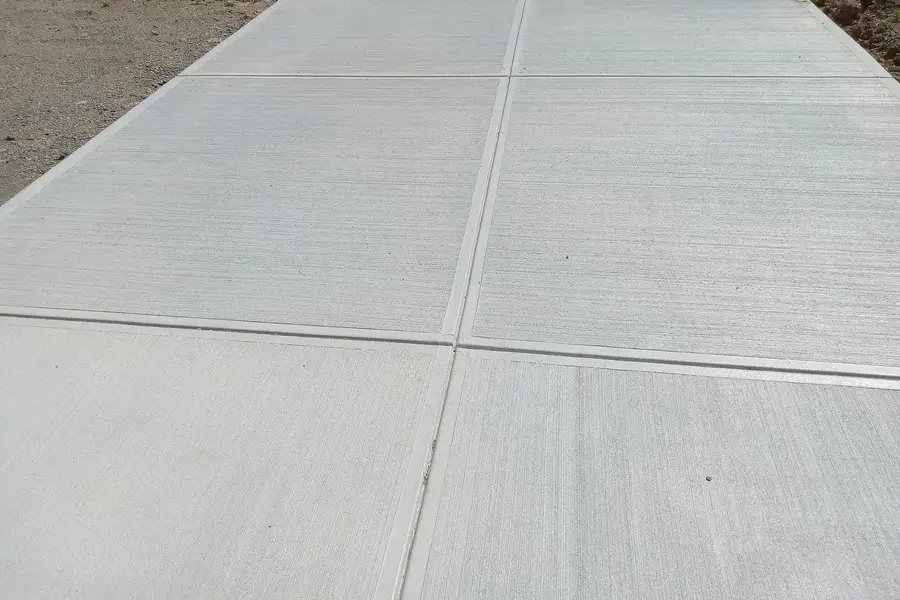
For concrete to achieve maximum strength, proper mixing techniques are crucial. The effectiveness of concrete work greatly depends on how well these components are blended. If mixed correctly, the result is a homogeneous mixture with no weak spots. Quality control during the mixing process ensures that each batch meets required standards, leading to more reliable and stable structures. Consistency in mixing prevents issues such as cracking or uneven settling over time.
The Advantages of Reinforced Concrete
Reinforced concrete is widely used because it combines the best properties of both steel and concrete. Steel rods, also known as rebar, are embedded within the concrete to enhance its tensile strength. This combination allows buildings to better resist stress from external forces like earthquakes and high winds. Reinforced concrete work offers flexibility and resilience, making it a preferred material in regions prone to natural disasters.

Common Challenges in Construction Projects
Despite its benefits, working with concrete presents certain challenges. Ensuring proper curing times is essential; if concrete dries too quickly, it can lead to surface cracks. Weather conditions also play a significant role; extreme temperatures can affect the setting process. Moreover, incorrect reinforcement placement may compromise the structural integrity. Addressing these challenges requires expertise and careful planning at every stage of construction.
Practical Solutions for Better Outcomes
Overcoming construction challenges involves a few key strategies:
- Monitor weather forecasts to adjust scheduling for optimal conditions.
- Use additives to modify setting times according to environmental needs.
- Regularly inspect rebar placement before pouring begins.
These steps help ensure that the concrete maintains its desired properties throughout the project.
Industry Standards and Best Practices
Adhering to industry standards is imperative for any construction project involving concrete. Regulations outline specific requirements for mix ratios, reinforcement specifications, and curing procedures. Compliance with these standards not only guarantees safety but also contributes to the longevity of the structure. Implementing best practices means following guidelines meticulously while incorporating innovative solutions where possible.
Cost Considerations and Long-Term Value
The initial expense of quality materials and skilled labor might seem high, but they provide significant long-term value. Investing in superior-grade concrete reduces maintenance costs down the line and increases property value due to enhanced durability. Understanding cost drivers allows clients to make informed decisions about their projects’ financial aspects without compromising quality or safety.
Partner With Us for Reliable Results
Your project’s success hinges on choosing experienced professionals who prioritize quality and adherence to industry standards. At Majzul Masonry LLC, we offer exceptional services tailored to your specific needs. Based in Knoxville, TN, our team applies industry-leading methods to deliver outstanding results consistently. Reach out to us at (865) 684-0171 to discuss how we can support your next construction venture.