The Role of Water Management in Structural Integrity
Understanding how drainage impacts retaining walls is crucial for maintaining their strength and safety. Water can have a significant influence on these structures. Poor drainage allows water to gather behind the wall, leading to increased pressure that can cause damage over time. Addressing water management issues early can help prevent costly repairs. This article explores how proper drainage affects the need for repair and provides guidance on maintaining your retaining walls.
Importance of Proper Drainage
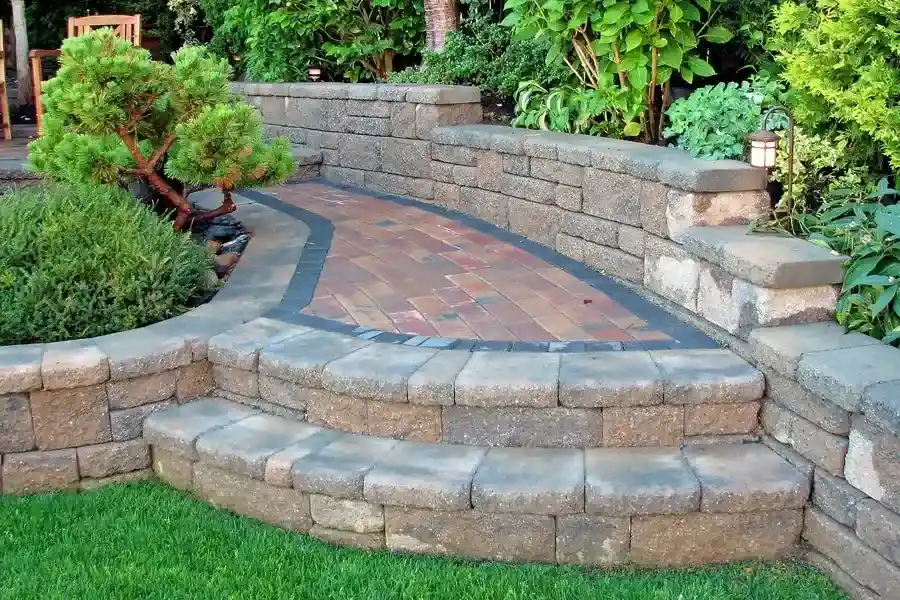
Proper drainage is key to preventing structural problems in retaining walls. Without it, water builds up and adds weight against the wall, which can lead to cracks or collapses. Effective water management helps ensure that water flows away from the structure, reducing the likelihood of damage. Regularly checking and clearing drainage systems can greatly prolong the life of your retaining wall.
Signs Your Wall May Need Repair
Knowing when to seek retaining wall repair is essential for maintaining the wall’s integrity. Visible cracks, leaning walls, or areas where water pools are all indicators that you may need professional assistance. These signs suggest that water isn’t being properly drained, increasing stress on the wall. Identifying these issues early helps in executing timely repairs.
Common Drainage Problems
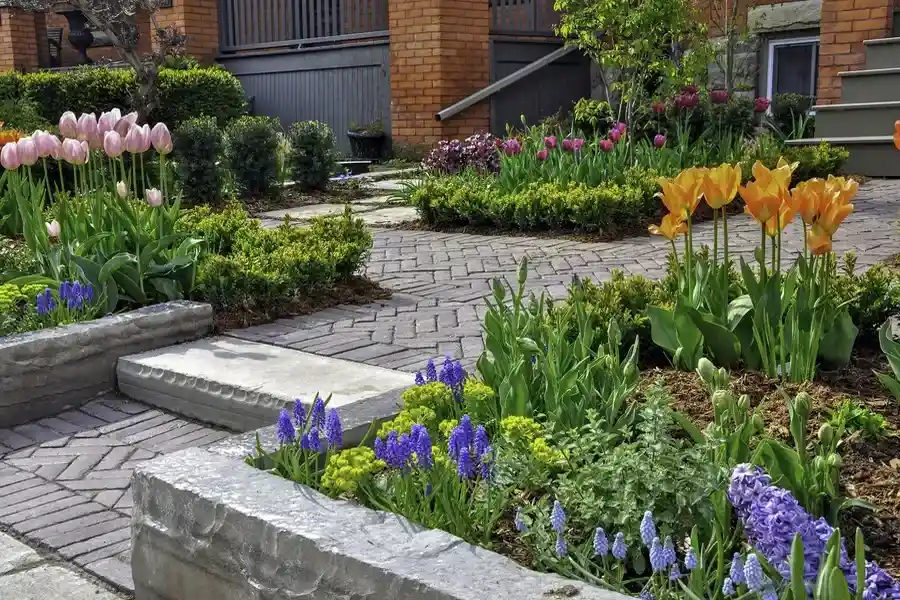
Several common issues can affect the drainage around retaining walls. Blocked drains or inadequate slope can lead to standing water, while poorly designed systems may not channel water effectively. It’s important to recognize these problems because they directly impact how well your wall performs. If left unaddressed, such problems increase the potential for more extensive retaining wall repair needs.
Effective Solutions for Drainage Issues
- Install drain pipes behind the wall to divert water away
- Create proper grading around the area to encourage natural runoff
- Use gravel backfill to improve drainage efficiency
- Regularly clean out existing drainage channels
These solutions can significantly reduce the risks associated with poor drainage. Implementing them will help safeguard the structural integrity of your retaining walls.
Best Practices for Maintaining Walls
Maintaining your retaining walls involves a few practical steps. First, inspect your drainage systems regularly to ensure they’re clear of debris. Second, monitor your wall for signs of wear such as cracking or leaning. Third, adjust any landscaping features that might impede proper water flow. By following these best practices, you can protect your investment and avoid frequent repairs.
Industry Standards for Wall Construction
Retaining walls must meet specific industry standards to be considered safe and effective. These include guidelines on materials, construction methods, and load-bearing capacities. Adhering to these standards ensures durability and minimizes maintenance needs. When constructing or repairing a wall, consulting with experts who understand these requirements is beneficial.
Considering Costs and Long-Term Value
When planning retaining wall projects, consider both upfront costs and long-term value. Quality materials and expert labor may require a higher initial investment but offer better longevity and fewer repair needs over time. Weighing these factors will guide you in making informed choices that maximize your return on investment.
Your Next Steps With Expert Help
If you’re facing challenges with your retaining wall due to poor drainage, taking action promptly is critical. Our team at Majzul Masonry LLC is here to assist with all your needs. Based in Knoxville, TN, we specialize in providing top-quality solutions tailored to your specific situation. Contact us today at (865) 684-0171 to discuss your project and learn how we can help secure the stability of your retaining walls.